The Nationalisation Bottleneck: Why Your Agile Transformation Stalls at HR
By Agility Arabia | May 2026
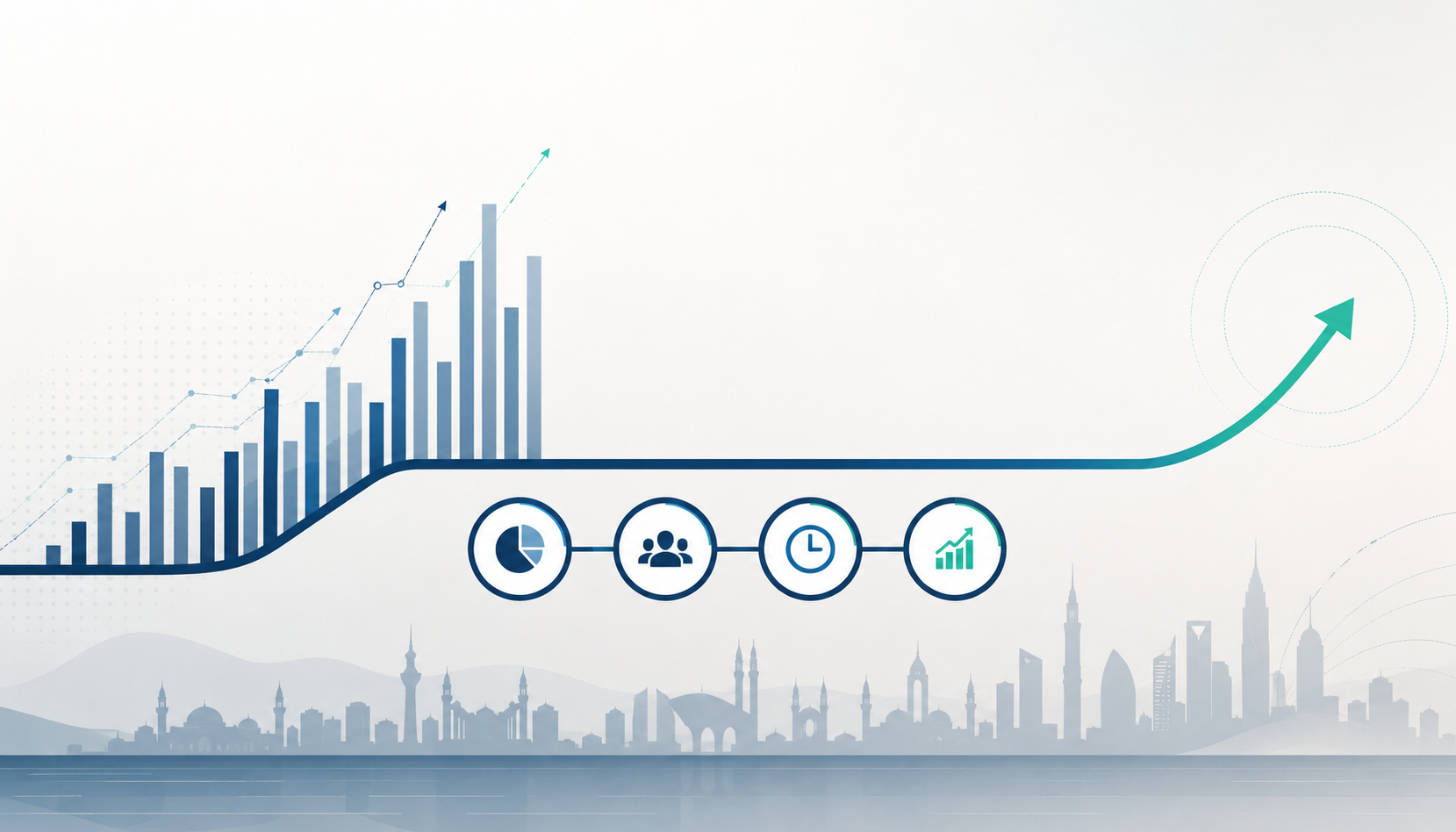
There is a pattern that repeats across GCC digital transformation programmes. A bank, a telecom operator, a government entity commits to Agile. They hire a consultancy, train their teams, launch their squads. For the first six months, delivery improves and leadership is pleased. Then, quietly, throughput plateaus.
The post-mortems are telling. When we ask transformation leads what slowed them down, technology is rarely the answer. Budget is occasionally. The answer, more often than not, is people, the inability to staff, onboard, and retain the right talent at the pace the new operating model now demands.
What transformation leads rarely say (because they do not always connect the dots) is that the constraint is frequently nationalisation compliance.
The constraint nobody names
Emiratisation, Saudisation, Omanisation, Bahrainisation. Every GCC jurisdiction operates a workforce localisation programme with teeth. Quotas are set. Penalties are real. Reporting is mandatory. And in 2026 the regulatory environment is tightening further: the UAE has extended Emiratisation targets to additional economic activity classifications and applies quarterly surcharges to non-compliant private-sector employers; Saudi Arabia's Nitaqat banding now reaches a broader range of job families; Oman has renewed pressure on state-owned enterprises to meet Omanisation ratios in technical and leadership grades, not only entry-level ones.
None of this is news to HR departments. They live with it daily. It is also part of why HR is increasingly the function that decides whether an enterprise Agile transformation succeeds, and why a constraint that lives there is so easy to miss from a delivery board.
What is less visible is the second-order effect. Nationalisation compliance workflows, when run the traditional way, create a delivery bottleneck that sits squarely in the middle of your Agile transformation. The squads are ready to pull work. The people who should be in those squads are stuck in a compliance process that moves on a different clock.
The traditional compliance model and why it breaks Agile
Traditional HR compliance is designed for stability. It is built around three mechanisms: annual workforce planning cycles, batch recruitment rounds, and periodic reporting runs against quota.
Each of these collides directly with how an Agile operating model actually works.
Annual planning versus continuous reprioritisation. An Agile portfolio reprioritises every Sprint and certainly every quarter. A team formed against January's plan may need a different shape by April. But the nationalisation hiring plan was fixed in the annual cycle, signed off by leadership, and tied to a budget submission. When delivery priorities move, the compliance plan does not move with them. The result is a structural mismatch between the talent the organisation is recruiting for and the talent the delivery model now needs.
Batch recruitment versus continuous flow. Traditional localisation hiring runs in cohorts, a recruitment campaign, a wave of offers, a single induction intake. Agile delivery, by contrast, needs people to join teams when those teams are ready to absorb them, not when the next batch happens to land. Batching introduces queues. A squad waiting two months for its national hire is a squad running below capacity for two months, and that delay is rarely visible on any delivery board because it is owned by a different function.
Spreadsheet quota tracking versus real-time visibility. Compliance status is typically tracked in periodic returns, a spreadsheet reconciled before a submission deadline. Leadership sees the position quarterly, after the fact. By the time a shortfall is visible, the recruitment lead time needed to close it has already been lost. The organisation is permanently reacting to a number it can only see in arrears.
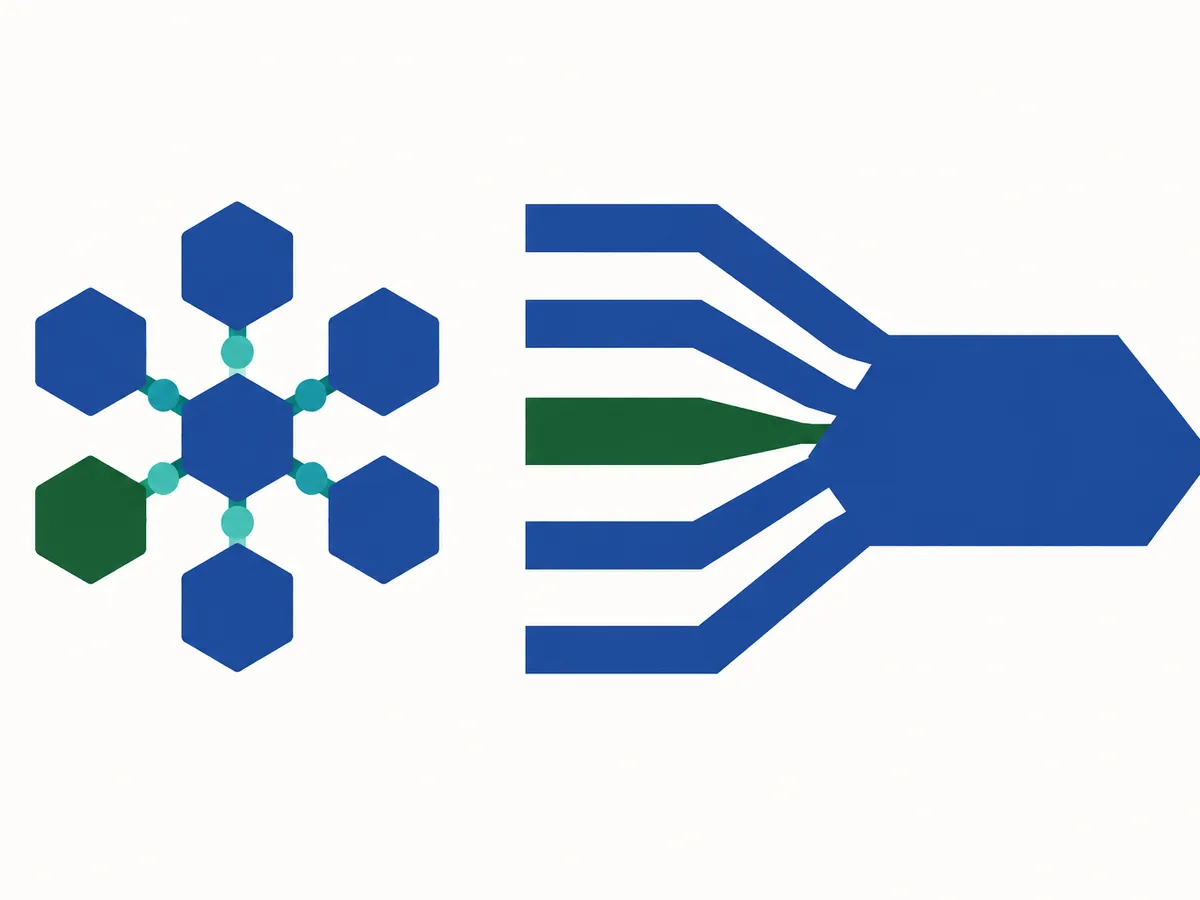
Underneath all three is a single structural fault: compliance is run as a separate workstream, owned by HR, disconnected from the delivery system it constrains. The handoffs between "the squad needs a person", "HR opens a requisition", "the national candidate is sourced", "the quota return is updated" are invisible to everyone except the people inside each step. No one owns the flow end to end. That is the textbook definition of a bottleneck, and, as with every bottleneck, the organisation feels the symptom (delivery has plateaued) a long way from the cause (compliance is operating on an annual clock inside a quarterly business). It is one of the more common (and least diagnosed) reasons Agile stalls in the region.
What Agile compliance looks like
The remedy is not more HR headcount or a new policy. It is applying the same operating discipline to the compliance workflow that a well-run transformation applies from the outset, the same discipline the delivery teams already use.
Make the whole workflow visible. Map the entire compliance pipeline (from vacancy identification to candidate sourcing to role fulfilment to quota submission) on a single board. Every step visible. Every blocker surfaced. The same Kanban discipline that improved flow in the technology teams applies directly here, because the problem is the same problem: invisible work-in-progress and unmanaged queues.
Run sprint-based recruitment. Replace batch hiring rounds with short, time-boxed recruitment cycles. Define the intake, run the cycle, hold a retrospective: what slowed us down, where did candidates drop out, what do we change next cycle. Iteration produces learning. Annual cycles produce a plan that is out of date before it is executed.
Treat onboarding as continuous, not as a cohort event. The strongest nationalisation retention programmes we have observed treat onboarding as an ongoing accountability rather than a one-time induction. New team members follow a structured integration path through their first ninety days, with regular check-ins, explicit skill-development goals, and a named internal mentor. This is a properly run Sprint cycle applied to the human dimension of team formation.
Hold retrospectives on retention. Attrition is a lagging indicator. By the time someone resigns, the cost is already incurred and the quota position is already exposed. Retrospectives at team and HR level (held on the same cadence as delivery retrospectives) surface the early signals: disengagement, an unclear career path, a role-skill mismatch. Caught early, these are addressable. Caught at exit interview, they are not.
Why this matters now, specifically
The regulatory window is tightening. Organisations that rely on the traditional reactive model are carrying increasing financial and reputational exposure as quota requirements become more granular and penalties move from annual to quarterly assessment.
But the organisations that gain most from this shift are not those simply trying to avoid a fine. They are the ones that recognise nationalisation compliance as a source of competitive advantage.
A GCC employer that has built continuous, Agile-rhythm talent development for nationalised employees has solved something most of its peers have not. It has lower attrition. It has faster squad formation. It has a pipeline of locally-credentialed talent that supports (rather than constrains) its delivery model. It is the same dynamic that makes pilot readiness decisive in banking transformations: the organisations that prepare the human system before scaling are the ones that scale at all. And it holds a compliance posture that does not depend on an annual scramble against a deadline.
That is not a compliance story. That is a strategy story.
The intersection nobody owns
International Agile consultancies can talk at length about workforce agility. They cannot talk credibly about Emiratisation quarterly submissions, Nitaqat banding calculations, or what it takes to place a nationally-qualified candidate into a Product Owner accountability in a Muscat ministry. Our Agile transformation consulting across the UAE and KSA treats nationalisation and HR constraints as part of the operating model from day one.
Local HR consultancies understand the regulatory landscape intimately. They rarely have the organisational design and delivery experience to connect compliance to flow.
The organisations that move fastest will be the ones that stop treating these as separate workstreams, and start asking a single question: what does our nationalisation pipeline look like on a Kanban board?
If your Agile transformation has plateaued, and your post-mortem keeps pointing at people, it is worth asking whether the constraint is HR, and whether HR's constraint is compliance. Our Agile readiness assessment is one way to locate where your constraint actually sits before you commit to the next phase of change.
We help GCC organisations design the operating model that connects both. Get in touch.