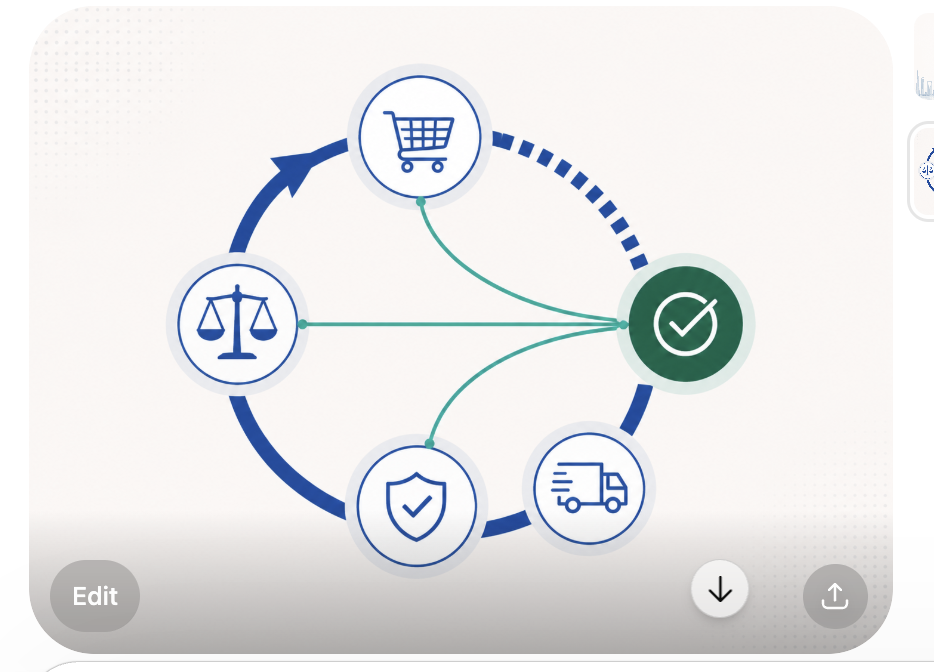
Agile Transformation in Jordanian Banking: A Practical Playbook for Leaders
Jordanian banks are under pressure to deliver more digital capability, faster, without weakening control.
That is why Agile transformation in Jordanian banking is no longer an IT topic. It is an operating model decision for the PMO, CIO, CTO, and heads of enterprise functions.
Competitors will move quickly when one bank proves it can shorten delivery cycles and improve reliability. The question is how to respond in a way that fits Jordan’s regulatory and risk landscape.
This article sets out a practical approach that banking leaders in Jordan can use to shape their own transformation. It focuses on governance, risk, and delivery outcomes, not theatre.
Why Agile transformation is rising on banking agendas in Jordan
Most Jordanian banks have already invested heavily in digital channels.
The next battleground is execution. It is about turning strategy into shipped changes, safely, every few weeks rather than every few quarters.
Key drivers typically include:
- Rising customer expectations for mobile-first services and simpler journeys.
- Increased competition from regional banks and fast-moving digital propositions.
- Growing supervisory attention on resilience, cybersecurity, and outsourcing risk.
- Pressure to modernise core and integration layers without stopping the business.
- Cost-to-serve challenges that require automation and process redesign.
Agile transformation is often triggered by one visible programme.
It then spreads when leadership sees the same constraints across portfolios, value streams, and functions.
What “Agile” needs to mean inside a regulated bank
In a bank, Agile cannot mean “moving fast and breaking things”.
It must mean delivering frequent change with a stronger control environment, because evidence is produced continuously.
A workable definition is:
- Small, testable increments of value.
- Clear accountability for products and platforms.
- Built-in risk and compliance checks.
- Transparent progress that leadership can trust.
Faster delivery without losing governance
Banking leaders usually worry about three things: operational risk, regulatory findings, and customer harm.
You can address these by designing controls into the delivery system.
Practical design choices include:
- Definition of Done that includes risk, security, and audit evidence.
- Automated testing and release gates, aligned to risk appetite.
- Segregation of duties implemented through tooling, not manual handovers.
- Standard change types with pre-approved patterns for low-risk releases.
- Clear escalation routes for exceptions and incidents.
This reduces “surprise work” late in delivery, which is a common cause of delay and rework.
Start with outcomes: pick the value streams that matter most
A bank does not need to transform everything at once.
Start where business value is high and dependencies are manageable. Then scale based on evidence.
Common high-impact value streams in Jordanian banks include:
- Customer onboarding and KYC refresh.
- Retail and SME lending origination and decisioning.
- Cards and payments journeys, including dispute handling.
- Mobile and online banking feature delivery.
- Collections, arrears management, and customer communications.
- Regulatory and finance reporting automation.
Value stream mapping for banking leaders
A value stream map is not a process map.
It shows where time is lost between idea, build, release, and realised benefit.
A useful banking value stream mapping session will:
- Identify where work queues build up (often in approvals and testing).
- Quantify handoffs between business, IT, risk, and vendors.
- Expose dependency hotspots (shared platforms, data, change windows).
- Highlight controls that are duplicated or unclear.
- Produce a short list of “remove these blockers first” actions.
This gives leaders a fact base, instead of opinions about who is “slow”.
What changes for the PMO, CIO, CTO, and enterprise leaders
Agile transformation is a leadership alignment problem before it is a delivery method.
It changes how funding, prioritisation, and accountability work.
Practical shifts that banking leaders typically need include:
- From project funding to persistent product and platform teams.
- From milestone reporting to outcome and flow reporting.
- From central “design then handover” to joint ownership across functions.
- From annual plans to rolling quarterly planning with clear guardrails.
The PMO becomes a value and flow office
A banking PMO often becomes the place where demand goes to slow down.
In a modern model, it becomes a Value Management Office that helps the bank choose and sequence work.
That usually means:
- Portfolio guardrails linked to strategy and risk appetite.
- Capacity-based planning across value streams.
- Tracking flow metrics, not just delivery dates.
- Managing dependencies and vendor integration transparently.
Useful measures include:
- Lead time from approval to production.
- Release frequency by channel or platform.
- Change failure rate and recovery time.
- Benefits realised by value stream.
Governance alignment using supervisory expectations and COBIT 2019
Most banks already have governance structures that can support change, if clarified.
Many also use established frameworks such as COBIT 2019 to demonstrate effective IT governance and control design.
A pragmatic approach is to:
- Align delivery controls to existing policies and committee oversight.
- Make accountabilities explicit across first, second, and third line roles.
- Define what “good evidence” looks like for audit, upfront.
- Standardise delivery patterns for common change types.
If you reference specific Central Bank of Jordan instructions, confirm the latest versions and terminology internally.
Architecture and data are the usual bottlenecks
Teams cannot deliver quickly if every change requires deep coordination.
In banking, constraints often sit in integration, data, and shared services.
Typical blockers include:
- Tight coupling to core banking changes and release windows.
- Point-to-point integrations that make testing slow and brittle.
- Inconsistent data definitions across channels and product systems.
- Manual provisioning and environment delays.
- Vendor lead times that are not visible in plans.
Build a platform roadmap that enables multiple teams
A practical architecture response is to build a platform roadmap that reduces friction.
For many banks, this includes:
- API and integration modernisation with clear ownership.
- Standard patterns for identity, consent, logging, and monitoring.
- Shared CI/CD tooling with guardrails for security and risk.
- Data products or domain-aligned data ownership, where feasible.
- Clear deprecation paths for legacy interfaces.
This is often the difference between “Agile in pockets” and real enterprise throughput.
Risk, compliance, and audit should be designed into the flow
The fastest banks do not bypass control functions.
They collaborate with them earlier and automate evidence collection.
Practical techniques include:
- Security and compliance requirements written as testable controls.
- Automated policy checks in pipelines, with clear exception handling.
- Continuous controls monitoring for high-risk areas.
- Standard evidence packs generated per release.
- Joint design reviews for new patterns and third-party services.
This can reduce late-stage rework and improve audit readiness.
It also supports resilience and incident response by making system behaviour observable.
Common pitfalls in bank transformations
These issues show up repeatedly in banking transformations, including in the region:
- Keeping funding and governance “project-first” while asking teams to act “product-first”.
- Launching too many pilots without scaling the enabling platforms.
- Treating “Agile” as a training plan rather than a structural change.
- Ignoring vendor constraints until delivery dates are missed.
- Overloading squads with BAU, incidents, and change at the same time.
- Reporting progress via activity, not customer or risk outcomes.
Avoiding these pitfalls is largely a leadership and operating model job.
Choosing a scaling approach without dogma
As organisations grow beyond a few teams, they need coordination mechanisms.
That is where Scaled Agile becomes relevant, especially for banks with multiple channels, platforms, and regulatory commitments.
The right approach depends on your portfolio shape, dependencies, and governance needs.
A practical selection checklist includes:
- How decisions are made across products, platforms, and shared services.
- How you plan and sequence work across quarters.
- How you manage risk and change approvals at scale.
- How you handle third parties and managed services.
- How you measure outcomes and flow.
For search intent, some banks explore Scaled Agile (SAFe) as one option, but the key is tailoring it to your governance and delivery realities.
We can connect clients to certified training partners where needed.
A 12–18 month roadmap a Jordanian bank can execute
A realistic roadmap balances ambition with control and capacity.
It also protects critical operations, because banking change is never “greenfield”.
A practical sequence looks like this.
Phase 0: Align leadership and define guardrails (4–6 weeks)
- Confirm the target operating model for products and platforms.
- Select 1–2 value streams with clear business sponsorship.
- Define portfolio guardrails and decision rights.
- Agree baseline metrics and how they will be measured.
- Design the risk, security, and audit engagement model.
Phase 1: Launch value stream teams and stabilise delivery (8–12 weeks)
- Stand up cross-functional teams with clear product ownership.
- Establish backlogs that link to business outcomes and risk priorities.
- Implement CI/CD basics and standard release patterns.
- Start producing automated evidence and release documentation.
- Reduce queueing by simplifying approvals for low-risk change types.
Phase 2: Scale enabling platforms and governance (3–6 months)
- Build platform backlogs for integration, environments, and observability.
- Expand to adjacent value streams where dependencies are shared.
- Introduce quarterly planning and dependency management routines.
- Mature flow and risk reporting for leadership and committees.
- Rationalise vendor delivery interfaces and SLAs for faster change.
Phase 3: Extend the model across the portfolio (6–12 months)
- Move more funding to products and platforms, not temporary projects.
- Standardise delivery patterns, controls, and evidence across teams.
- Improve resilience engineering and incident learning loops.
- Embed continuous improvement in both delivery and governance.
- Refresh operating model roles, career paths, and incentives.
A bank should expect measurable changes by the end of Phase 1, if the scope is realistic.
What competitors will notice if you do this well
Competitors do not need to see your internal model.
They will see external signals.
Those signals often include:
- More frequent app and channel improvements.
- Faster response to market and regulatory change.
- Fewer service disruptions during releases.
- Better customer experience in high-friction journeys like onboarding.
- A clearer narrative from leadership about execution capability.
In a market where confidence and trust matter, consistent delivery becomes part of brand strength.
FAQs:
What is Agile transformation in Jordanian banking?
It is a shift to product-led delivery with embedded controls, so banks can deliver change frequently while staying audit-ready.
How can a bank move faster without increasing risk?
Automate testing and evidence, standardise low-risk change patterns, and agree upfront how risk and compliance engage in delivery.
What should a banking PMO do in an Agile model?
Move from managing project milestones to managing portfolio flow, capacity, dependencies, and outcomes across value streams.
Do banks need a specific framework to scale Agile?
They need consistent planning, governance, and dependency management. The best approach depends on portfolio complexity and control needs.
Where should a bank start its transformation?
Start with one or two value streams where business value is high, dependencies are known, and leadership sponsorship is strong.
Further reading
Related pieces for regional and foundational context: Read Agile Transformation in Jordan: A Practical Playbook for Enterprise Leaders ↗, Read Beginning an Agile Transformation ↗, Read The Nationalisation Bottleneck ↗
Explore the Agile Readiness Assessment
If you want to see where your organisation stands before building the roadmap: Start the Agile Readiness Assessment ↗
Contact Agility Arabia
If you are a PMO, CIO, or CTO leader in a Jordanian bank, we can help you design an operating model that improves delivery speed while strengthening governance.
Contact Us: Talk to Agility Arabia about an Agile transformation roadmap